How to Choose the Best Osteopathic Manual Practitioner in Vancouver
If you've been searching for the best osteopath in Vancouver, you've probably noticed that the answers can be confusing. Some websites refer to osteopaths as medical doctors, while others describe them as manual therapists. Depending on where you search, the same word may refer to two very different professions.
Understanding this distinction is one of the most important first steps in choosing the right practitioner for your needs.
If your goal is to improve movement, better understand your body, or address ongoing pain and mobility concerns, you're likely looking for an Osteopathic Manual Practitioner (OMP) rather than a Doctor of Osteopathy (DO).
At Goldencare Wellness, we believe that choosing the right practitioner isn't about finding someone who promises quick fixes. It's about finding someone who takes the time to understand your body as a whole, identify the factors contributing to your discomfort, and develop an individualized approach that supports your long-term health.
Whether you're experiencing persistent neck pain, back discomfort, jaw tension, postural concerns, headaches, or recurring movement restrictions, understanding how Manual Osteopathy works can help you make a more informed decision.
The Difference Between a Doctor of Osteopathy and an Osteopathic Manual Practitioner
One of the most common reasons people become confused while searching for an osteopath in Vancouver is that the word osteopath does not always refer to the same profession.
In the United States, a Doctor of Osteopathy (DO) is a fully licensed physician. Like Medical Doctors (MDs), they can diagnose medical conditions, prescribe medications, perform surgery, and provide comprehensive medical care. They also receive additional training in Osteopathic Manipulative Treatment (OMT), which allows them to incorporate hands-on techniques into their medical practice when appropriate.
The role of a Doctor of Osteopathy (DO) in Canada is different. In Canada, hands-on osteopathic care is typically provided by Osteopathic Manual Practitioners rather than physicians licensed as DOs.(+)
Unlike a DO, an Osteopathic Manual Practitioner is not a medical doctor. Instead, OMPs complete specialized education in manual osteopathy, anatomy, physiology, biomechanics, and manual assessment techniques. Their work focuses on hands-on care designed to improve movement, reduce physical restrictions, and support the body's natural ability to adapt and function more efficiently.
Understanding the nuances of osteopathy in Vancouver can help you make a more informed decision when choosing the right practitioner for your needs.
Many people searching for Vancouver osteopathy are simply looking for hands-on osteopathic care to support their movement, comfort, and overall wellbeing. Understanding the difference between medical osteopathic physicians and Osteopathic Manual Practitioners can help you choose the type of care that best matches your needs.
What Does an Osteopathic Manual Practitioner Do?
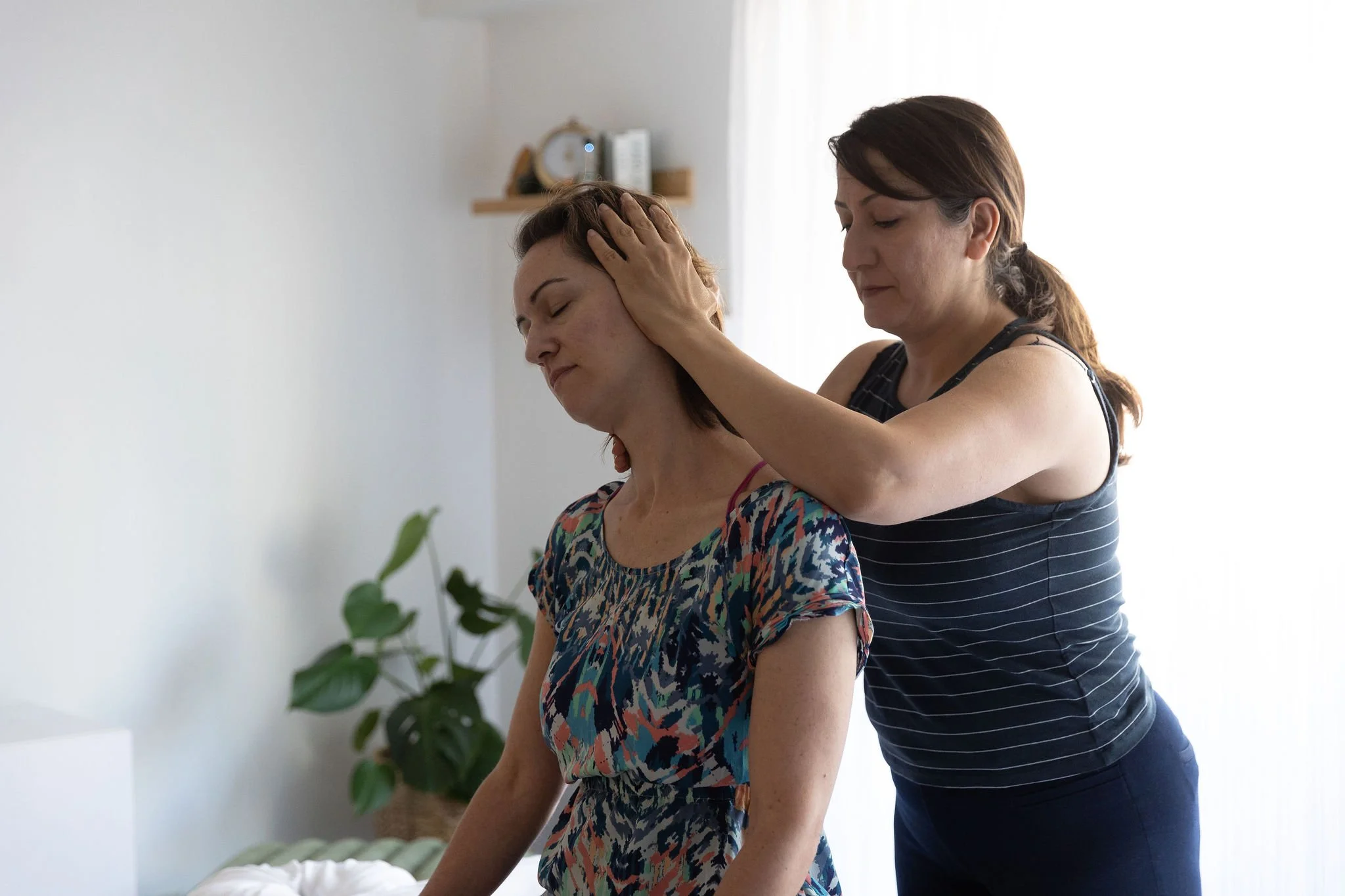
Manual Osteopathy takes a whole-body approach rather than focusing only on the area where symptoms are felt.
Pain isn't always caused by the structure where it's experienced. Restrictions elsewhere in the body may influence how forces are transferred through joints, muscles, fascia, and connective tissues during everyday movement.
Instead of treating one isolated symptom, a whole-body assessment considers how different regions may influence one another before care begins.
At Goldencare Wellness, this approach may include assessing relationships between the:
spine and pelvis
rib cage and breathing mechanics
shoulders and neck
jaw and posture
hips and lower limbs
connective tissues throughout the body
This type of whole-body assessment helps practitioners better understand how different regions may be influencing one another before hands-on care begins.
Depending on each person's presentation, care may include a combination of gentle manual techniques such as:
Soft tissue techniques
Joint mobilization
Myofascial release
Cranial techniques
Visceral manual therapy
Mobility-focused manual approaches
Rather than simply chasing symptoms, the goal is to better understand the factors contributing to discomfort and support healthier movement patterns whenever appropriate.
How to Choose the Right Osteopathic Manual Practitioner in Vancouver
Finding the right practitioner involves much more than reading online reviews or choosing the clinic closest to your home.
Every practitioner develops their own style of assessment, communication, and hands-on care. Taking a little time to understand their philosophy can help you find someone whose approach matches your goals and expectations.
Here are a few questions worth considering during your search.
Does the Practitioner Look Beyond the Area That Hurts?
Manual Osteopathy is based on the idea that the body works as one interconnected system. Rather than viewing the body as a collection of separate parts, this approach considers how movement, posture, breathing, and overall function influence one another. This whole-body perspective reflects the principles of holistic balance, recognizing that the body functions best when its different systems work together.
This doesn't mean every problem originates somewhere else. Rather, it means that looking at the body as a whole often provides a more complete picture than focusing on a single painful area.
A practitioner who performs a thorough assessment before beginning hands-on care is more likely to recognize these relationships and understand which findings may be most relevant to your individual needs.
For example, changes in posture may influence how different parts of the body work together over time. Learning more about forward head posture may help illustrate how these relationships can develop.
Do They Take Time to Understand Your Story?
An effective assessment is about much more than identifying where pain is located.
Understanding when symptoms began, how they change throughout the day, what activities aggravate or relieve them, previous injuries, surgeries, work demands, physical activity, sleep quality, and daily habits can all contribute valuable information.
Rather than applying the same approach to every individual, many practitioners use this information to develop a care plan that reflects each person's unique circumstances and goals.
This collaborative process also gives you an opportunity to ask questions, better understand your body, and become an active participant in your own care.
Do They Explain What They Find?
One of the most valuable parts of any assessment is helping you understand what the practitioner observes.
Clear explanations can make it easier to understand why certain areas are being evaluated, how different regions of the body may influence one another, and why a particular manual approach has been recommended.
Education doesn't replace hands-on care, but it often helps people better understand their bodies and feel more confident throughout their wellness journey.
At Goldencare Wellness, education is considered an important part of the overall care experience. Alongside individual appointments, we also offer professional training and small-group workshops that help people better understand how the body moves, functions, and adapts in everyday life.
Does Their Approach Support Long-Term Movement, Not Just Temporary Relief?
Many people initially seek care because they want pain to decrease.
While symptom relief is often an important goal, many individuals also want to improve how they move, work, exercise, and participate in everyday activities over time.
For this reason, Manual Osteopathy often focuses on improving movement quality, restoring mobility where appropriate, and helping people better understand the everyday habits that may be contributing to ongoing physical stress.
For example, someone who spends long hours working at a computer may benefit not only from hands-on care, but also from learning practical strategies that support healthier movement throughout the day.
Experience Is Important, But Finding the Right Fit Matters Too
Experience is certainly valuable, but finding the right practitioner is also about communication, trust, and feeling comfortable asking questions.
Some people are looking for support while recovering from a sports injury. Others may be seeking help with persistent jaw discomfort, recurring headaches, postural concerns, or movement restrictions that have gradually developed over many years.
Because every person arrives with different goals, there is rarely a single approach that is appropriate for everyone.
Taking time to find someone who listens carefully, performs a comprehensive assessment, and explains their reasoning can make the experience feel more collaborative and personalized.
Looking for Manual Osteopathy Near You?
If you've been searching online for phrases like "osteopathy near me" or "osteopath Vancouver," it's worth looking beyond location alone.
Convenience is important, but choosing a practitioner whose assessment style, communication, and philosophy align with your expectations may have a greater impact on your overall experience than simply choosing the closest clinic.
Learning about the conditions a practitioner commonly works with, reading educational content they've written, and understanding how they approach assessment can all help you make a more informed decision before booking your first visit.
Common Reasons People Choose Manual Osteopathy
Every person has a unique health history, lifestyle, and movement pattern, which means no two assessments are exactly alike.
Rather than focusing on a single diagnosis, Manual Osteopathy begins by understanding how different parts of the body may be contributing to the concerns each individual is experiencing.
People commonly seek manual osteopathic care for concerns such as:
neck and shoulder discomfort
jaw tension and TMJ-related symptoms
postural changes
Some people also seek care because they want to better understand long-standing movement patterns that may be affecting their comfort, performance, or everyday activities.
If you'd like to explore these topics in greater detail, we've created a comprehensive guide covering the common use cases of Manual Osteopathy.
Is Manual Osteopathy Right for Everyone?
Manual Osteopathy can be a valuable part of many people's healthcare journey, but it isn't intended to replace medical diagnosis or treatment when these are needed.
Depending on your symptoms, medical history, and overall health, you may benefit from consulting another healthcare professional before beginning manual therapy. In some situations, collaborative care between different healthcare providers may be the most appropriate approach.
A qualified practitioner should always take the time to understand your health history, identify situations where hands-on care may not be appropriate, and help you decide whether Manual Osteopathy is suitable for your individual needs.
Because every person is different, recommendations should always be based on an individual assessment rather than assumptions.
What Should You Expect During Your First Visit?

Many people feel uncertain before their first appointment simply because they don't know what to expect.
A typical first visit usually begins with a conversation about your health history, current concerns, lifestyle, previous injuries, and personal goals.
This is followed by a physical assessment that may include observing posture, evaluating movement, and assessing how different areas of the body work together.
Rather than focusing only on where discomfort is felt, the assessment helps build a clearer understanding of your overall movement patterns before any hands-on care begins.
If you're preparing for your first visit, our guide to your first Manual Osteopathy appointment explains the assessment process, what to wear, and how to prepare beforehand.
Education Is an Important Part of Care
Hands-on care is only one part of Manual Osteopathy.
Understanding how your body moves, recognizing everyday habits that may contribute to physical stress, and learning practical strategies to support healthier movement are all important parts of long-term wellbeing.
Sometimes a simple change in workstation setup, posture awareness, breathing patterns, or daily movement habits can be just as valuable as the hands-on techniques used during a Manual Osteopathy session.
This educational approach is one of the reasons many people continue learning about topics such as forward head posture, desk-related neck tension, or jaw function even after their appointment.
At Goldencare Wellness, education extends beyond individual appointments. Alongside one-on-one care, we also provide professional education and small-group workshops because we believe that understanding how the body moves is an important part of long-term wellbeing.
If you're still deciding which practitioner is the right fit, remember that the best choice is often someone who listens carefully, explains clearly, and takes time to understand your unique situation.
Choosing the Right Practitioner Is a Personal Decision
There is no single practitioner who is the right fit for everyone.
Some people value detailed explanations throughout the assessment. Others are looking for someone with experience supporting specific movement concerns or lifestyle-related challenges.
Taking time to learn about a clinic's philosophy, assessment process, and communication style can help you feel more confident when making your decision.
Rather than looking for someone who promises quick fixes, consider finding a practitioner who takes the time to understand your concerns, perform a thoughtful assessment, and explain their recommendations clearly.
Whether you're seeking support for pain, mobility, posture, or overall wellbeing, choosing a practitioner whose approach aligns with your goals can be an important first step.
If you'd like to learn how Manual Osteopathy may support your individual goals, we'd be happy to welcome you for a comprehensive assessment.
Educational Disclaimer:
The information shared in this article is for educational purposes and to help you better understand your body, health, and overall wellness. It is not intended to replace medical advice, diagnosis, or treatment. If you have persistent or concerning symptoms, please consult a qualified healthcare professional.