From Back Pain to Baby Care: 16 Ways Osteopathy Helps in Vancouver
"What does an osteopath actually treat?" is one of the most common questions people ask before booking a first session. The honest answer is: a lot, because manual osteopathy looks at the whole body rather than one isolated symptom.
This article walks through 16 of the most common reasons people visit GoldenCare Wellness, organized by life stage and type of concern, with links to a deeper look at each one.
What Is Manual Osteopathy?
Manual osteopathy is a hands-on therapy focused on the relationship between the body's structure and how it functions. Osteopathic Manual Practitioners (OMPs) use manual techniques aimed at:
Improving joint mobility
Easing muscle tension
Supporting circulation
Supporting the nervous system
OMPs in Canada aren't physicians. They don't diagnose medical conditions or prescribe medication. Manual osteopathy works best as a complement to medical care, not a replacement for it, which is a theme that comes up throughout this article.
Common Uses for Adults
1. Back and Neck Pain
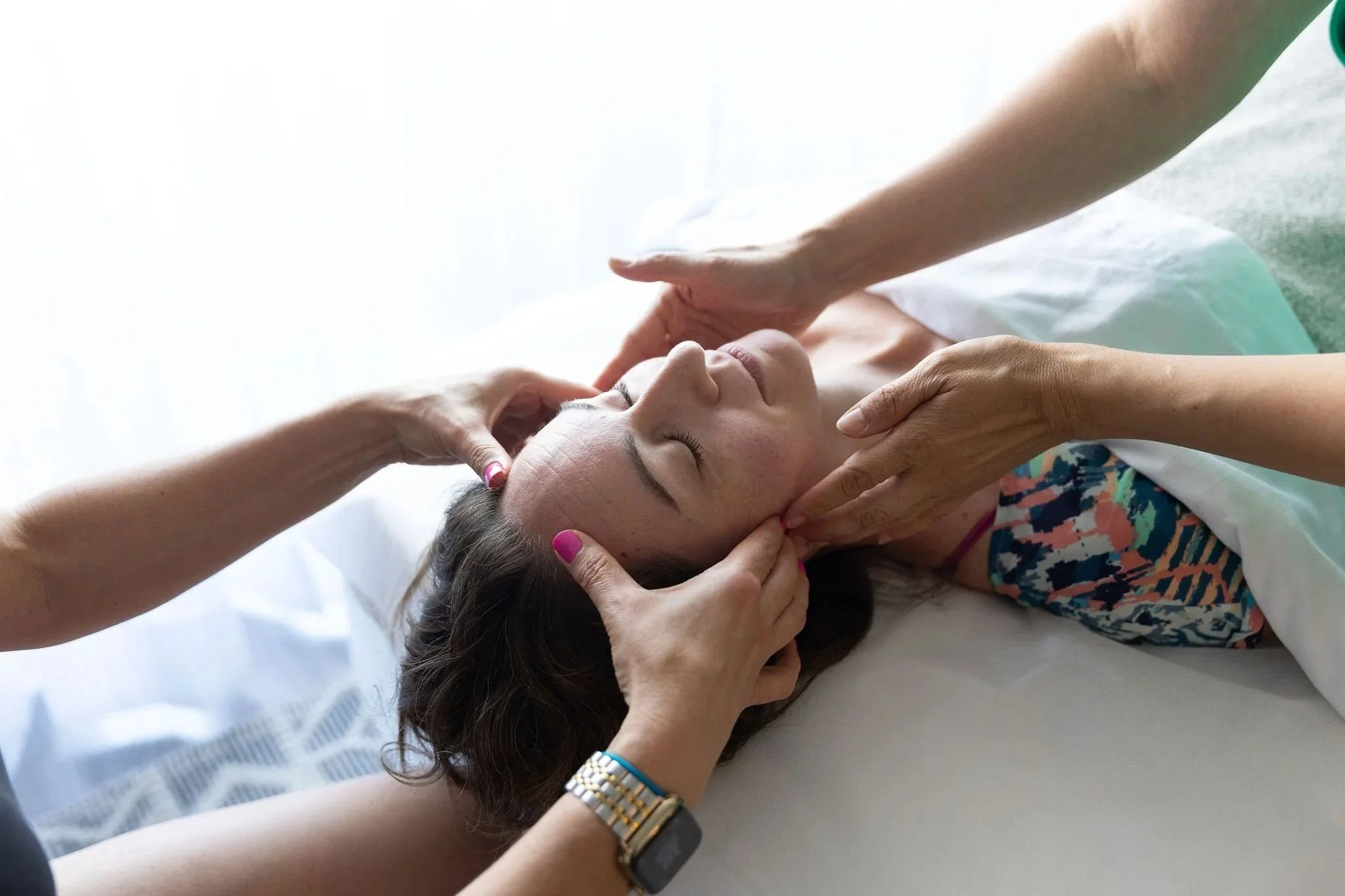
Back pain and neck pain are among the most common reasons people book a session, often related to posture, prolonged sitting, or muscle tension. Sessions may involve gentle joint mobilization and soft tissue work, alongside guidance on posture and daily habits.
2. Osteoarthritis and Arthritis-Related Stiffness
Osteoarthritis is a degenerative joint condition, and manual osteopathy doesn't reverse joint degeneration. What it may support is joint mechanics, surrounding muscle tension, and circulation around affected joints, which some people find helpful for day-to-day comfort. See our articles on arthritis and manual osteopathy and osteoarthritis for more.
3. Postural Strain from Modern Habits
Long hours at computers, phone use, and sedentary routines contribute to rounded shoulders, forward head posture, and general tightness. Our pillar article on how modern lifestyle affects the body looks at this pattern in depth.
4. Sports Recovery and Activity-Related Soreness
Recreational and competitive athletes alike use manual osteopathy to support recovery from training and manage general muscle tightness. See sports injuries and manual osteopathy, marathon training, and preventing running injuries for more. For pain following a specific injury, a physician or physiotherapist should be your first point of contact.
5. General Body Pain
Not sure which category your pain falls into? Our body pain overview walks through the most common patterns and points you to the right resource.
Jaw Tension and Head-Related Concerns

6. Headaches and Migraines
Tension headaches often have a musculoskeletal component, tight neck muscles, jaw tension, and upper spine restriction. Migraines are a diagnosed neurological condition best managed with a physician; some people find that easing neck and jaw tension is a helpful addition alongside that care. See our article on migraines and headaches.
7. Teeth Clenching and Grinding (Bruxism)
Bruxism is often related to stress and can contribute to jaw pain, headaches, and neck tension. See our article on teeth clenching and grinding.
8. TMJ Dysfunction
Jaw pain, clicking, and related tension headaches may relate to the temporomandibular joint. This is one of the areas GoldenCare Wellness focuses on specifically; see our articles on TMJ and jaw pain and the connection between jaw pain, headaches, and posture.
Pregnancy and Postnatal Care
9. Pregnancy-Related Discomfort
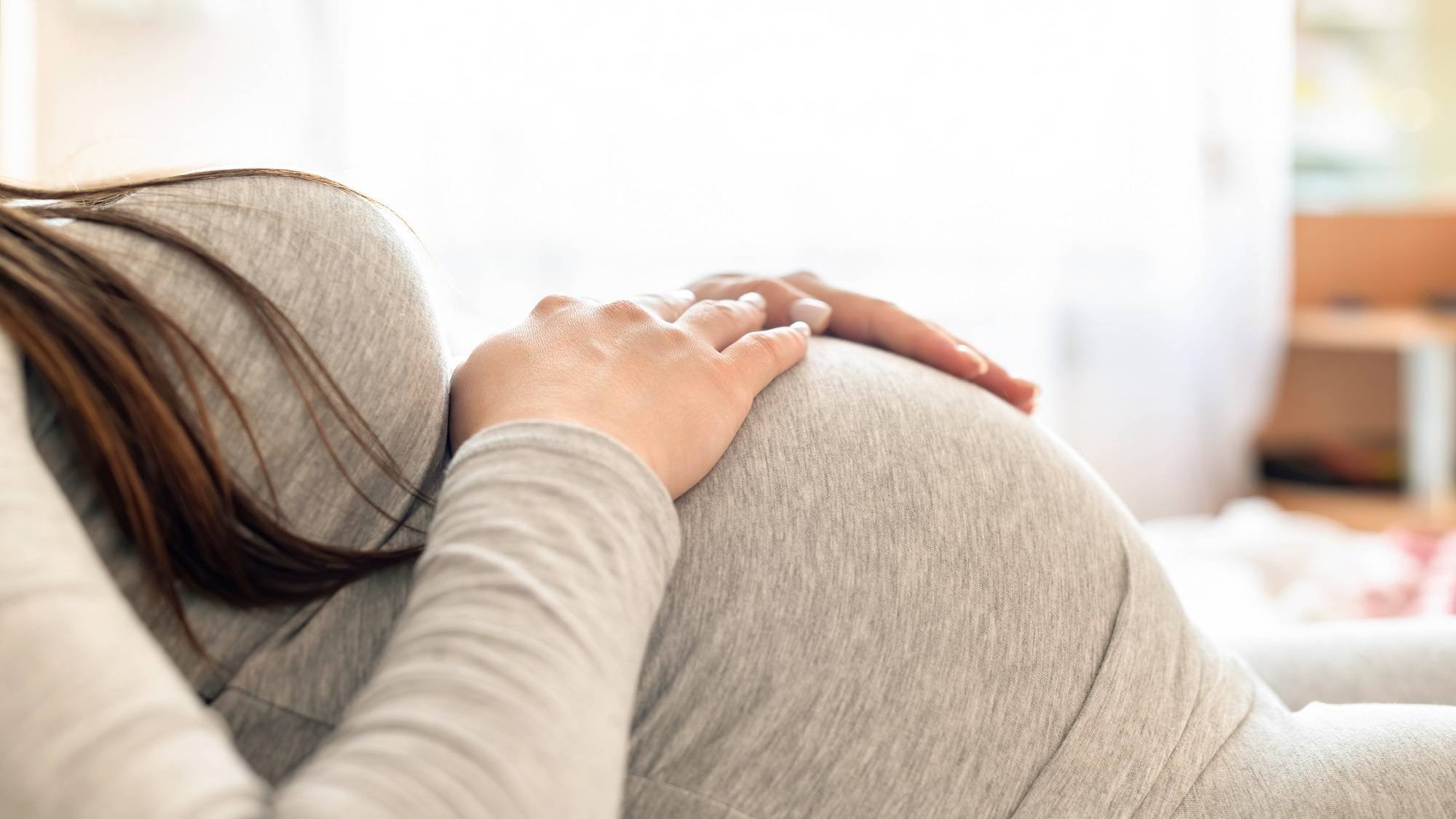
Many women experience lower back pain, pelvic discomfort, or rib pain as the body adapts during pregnancy. Osteopathy during pregnancy is gentle and adapted to each trimester, alongside your prenatal care team. See also our article on pregnancy-related back and pelvic pain.
10. Postnatal Recovery
After childbirth, new mothers may experience core weakness, pelvic changes, or neck and shoulder tension from breastfeeding. Manual osteopathy is sometimes used alongside a physician's postnatal care plan to support day-to-day comfort during this transition.
Pediatric and Infant Osteopathy
11. Digestive Discomfort in Babies
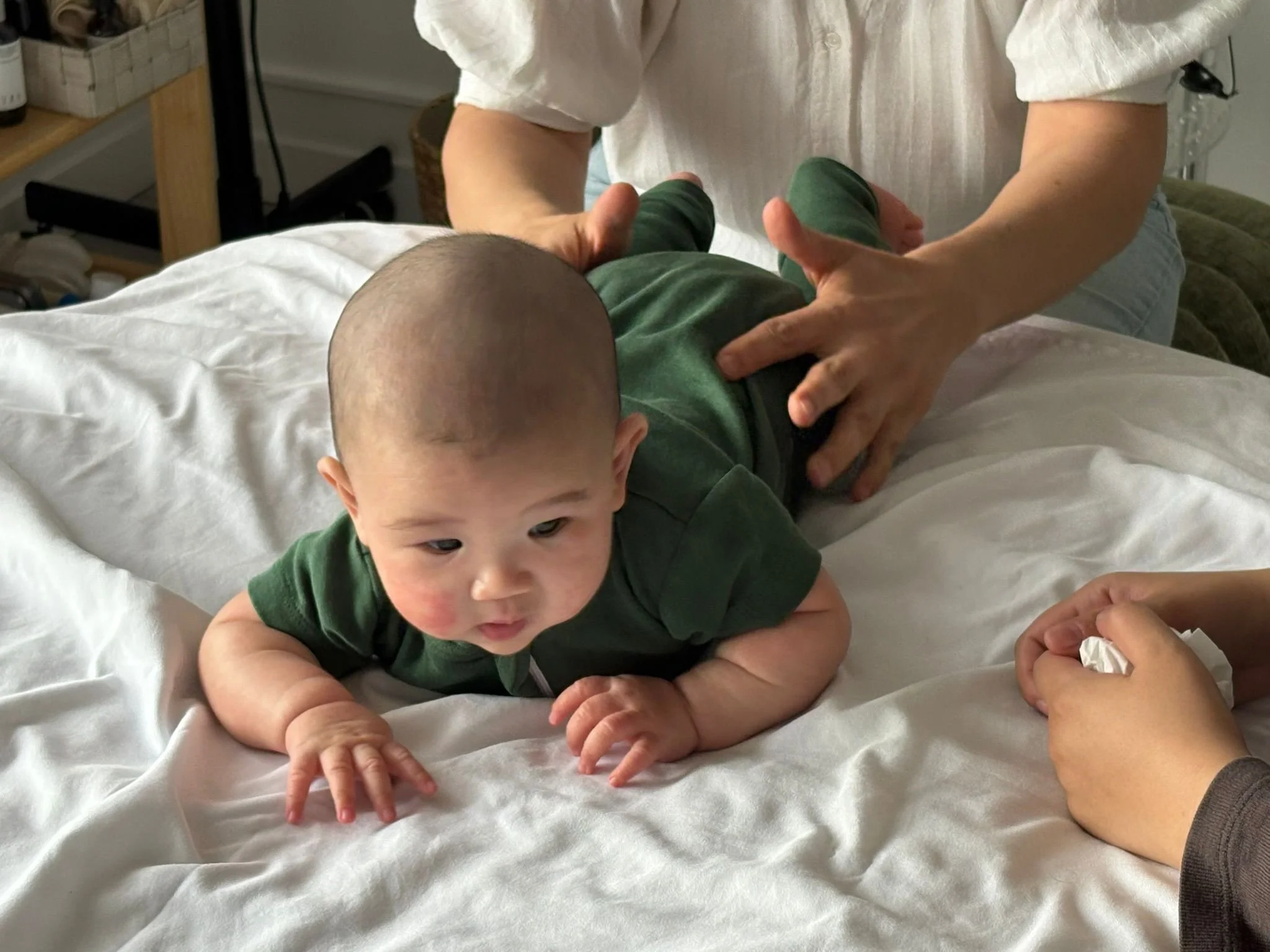
Some infants experience colic, reflux, or general digestive discomfort. Osteopathic techniques for babies are extremely gentle, typically light touch, and are used alongside your pediatrician's guidance, never in place of it. See our article on digestive issues and osteopathy.
12. Feeding and Latching Difficulties
Tension in a baby's jaw, neck, or cranial bones can sometimes be a factor in feeding difficulties. This is often addressed alongside lactation support, not as a replacement for it.
13. Positional Preferences in Infants
Some infants consistently turn their head to one side, which can contribute to flat spots or neck tightness. Gentle osteopathic care is sometimes used alongside your pediatrician's monitoring of these patterns.
More Specific Patterns
14. Sciatic and Nerve-Related Discomfort
Sciatic pain needs a proper diagnosis from a physician, since it can involve disc issues or nerve compression. Once diagnosed, some people find manual osteopathy a helpful addition focused on comfort and mobility around the area.
15. Stress and Nervous System Regulation
Chronic stress shows up physically, in muscle tension, headaches, and digestive discomfort. See our articles on stress and stress management and anxiety.
16. Thoracic Outlet Syndrome (TOS)
TOS occurs when nerves or blood vessels are compressed between the collarbone and first rib, sometimes causing numbness or tingling in the arm. See our full article on thoracic outlet syndrome.
A Whole-Body Approach
What connects all 16 of these is the same underlying idea: the body is interconnected, and structure and function influence each other. Rather than focusing only on the painful spot, an osteopathic assessment tends to look more broadly, at posture, movement patterns, and how different areas of the body may be compensating for one another.
Manual osteopathy is suitable for infants, children, adults, athletes, pregnant women, and seniors. It's designed to work alongside other healthcare, your family doctor, physiotherapist, or specialist, not in place of it.
What to Expect at GoldenCare Wellness
If you'd like a full walkthrough before booking, take a look at what to expect at a first osteopathy appointment.
Frequently Asked Questions
Here are the questions people most often ask before their first visit.
What conditions does an osteopath treat?
Manual osteopaths don't diagnose or treat medical conditions the way a physician does. Instead, they work with the musculoskeletal patterns, tension, and mobility issues that often accompany the situations described in this article, from back pain to pregnancy-related discomfort to infant care.
Is osteopathy suitable for children and babies?
Yes, with very gentle, light-touch techniques adapted for infants and children, always alongside your pediatrician's care.
Do I need a doctor's referral?
No referral is required to book at GoldenCare Wellness. That said, for any new, severe, or concerning symptom, seeing a physician first is always a good idea.
How do I know which type of session is right for me?
Your first session includes a conversation about your symptoms and goals, which helps your practitioner tailor the approach to you specifically.
Curious Which of These Applies to You?
If any of these 16 situations sound familiar, a personalized assessment is the best way to understand how manual osteopathy might fit into your care.
Educational Disclaimer:
The information shared in this article is for educational purposes and to help you better understand your body, health, and overall wellness. It is not intended to replace medical advice, diagnosis, or treatment. If you have persistent or concerning symptoms, please consult a qualified healthcare professional.