Pregnancy brings many changes to the way your body moves and feels. As your baby grows, you may notice lower back discomfort, pelvic pain, hip stiffness, or tension that makes everyday activities more challenging.
For some expectant mothers, manual osteopathy may be one option to consider when managing musculoskeletal discomfort. This hands-on approach focuses on movement, joint mobility, and soft tissue tension, with care adapted to each person's needs.
At GoldenCare Wellness in Vancouver, treatment should be individualized and considered alongside appropriate prenatal care. Osteopathy does not replace medical assessment or treatment when symptoms require it.
Pregnancy is also one of the many stages of women's health that may bring new physical needs. Our broader approach to osteopathy for women's health explores how care can be adapted across different stages of life.
Common Discomforts During Pregnancy
As pregnancy progresses, changes in posture, body weight, and ligament flexibility can affect the back, pelvis, hips, and other joints. The type and intensity of discomfort vary from person to person.
Lower Back Pain and Pelvic Discomfort
Lower back and pelvic pain are common during pregnancy. Changes in posture and the increasing demands placed on the body's muscles and joints may contribute to discomfort when walking, climbing stairs, turning in bed, or standing for long periods.
Manual osteopathy may help some people manage musculoskeletal discomfort, although results vary and research on its effectiveness during pregnancy remains limited. Back or pelvic pain can have different causes, so the appropriate approach depends on the individual's symptoms and health history.
Pregnancy-related back and pelvic pain is explored in more detail in our overview of back and pelvic discomfort during pregnancy.
Hip Stiffness and Changes in Movement
Some pregnant women find that movements they previously took for granted become less comfortable as their body changes. Getting up from a chair, walking for longer periods, or changing sleeping positions may become more difficult.
A practitioner may assess joint mobility and muscular tension to determine whether gentle hands-on care is appropriate. Any treatment should be adapted to the person's comfort, pregnancy stage, and medical circumstances.
Digestive Changes and Constipation
Hormonal changes, dietary adjustments, reduced activity, and some supplements or medications can contribute to constipation during pregnancy.
Manual osteopathy has not been established as a treatment for pregnancy-related constipation. If you are experiencing persistent digestive symptoms, discuss suitable options with your healthcare provider. Constipation can have several contributing factors, as explained in our article on constipation and osteopathy.
How Manual Osteopathy May Support Comfort During Pregnancy
Manual osteopathy uses hands-on assessment and treatment to address movement restrictions and musculoskeletal discomfort. Depending on the practitioner's assessment, treatment may include gentle joint mobilisation and soft tissue techniques.
Some people may find that manual therapy helps them manage discomfort or move more comfortably. However, the evidence specific to osteopathy during pregnancy is limited, and treatment cannot guarantee pain relief or prevent pregnancy-related complications.
Care should be individualized, taking into account the person's symptoms, stage of pregnancy, medical history, and comfort. Osteopathy is a complementary option, not a substitute for prenatal appointments, medical advice, or recommended treatment.
Can Osteopathy Help with Pregnancy-Related Nausea?
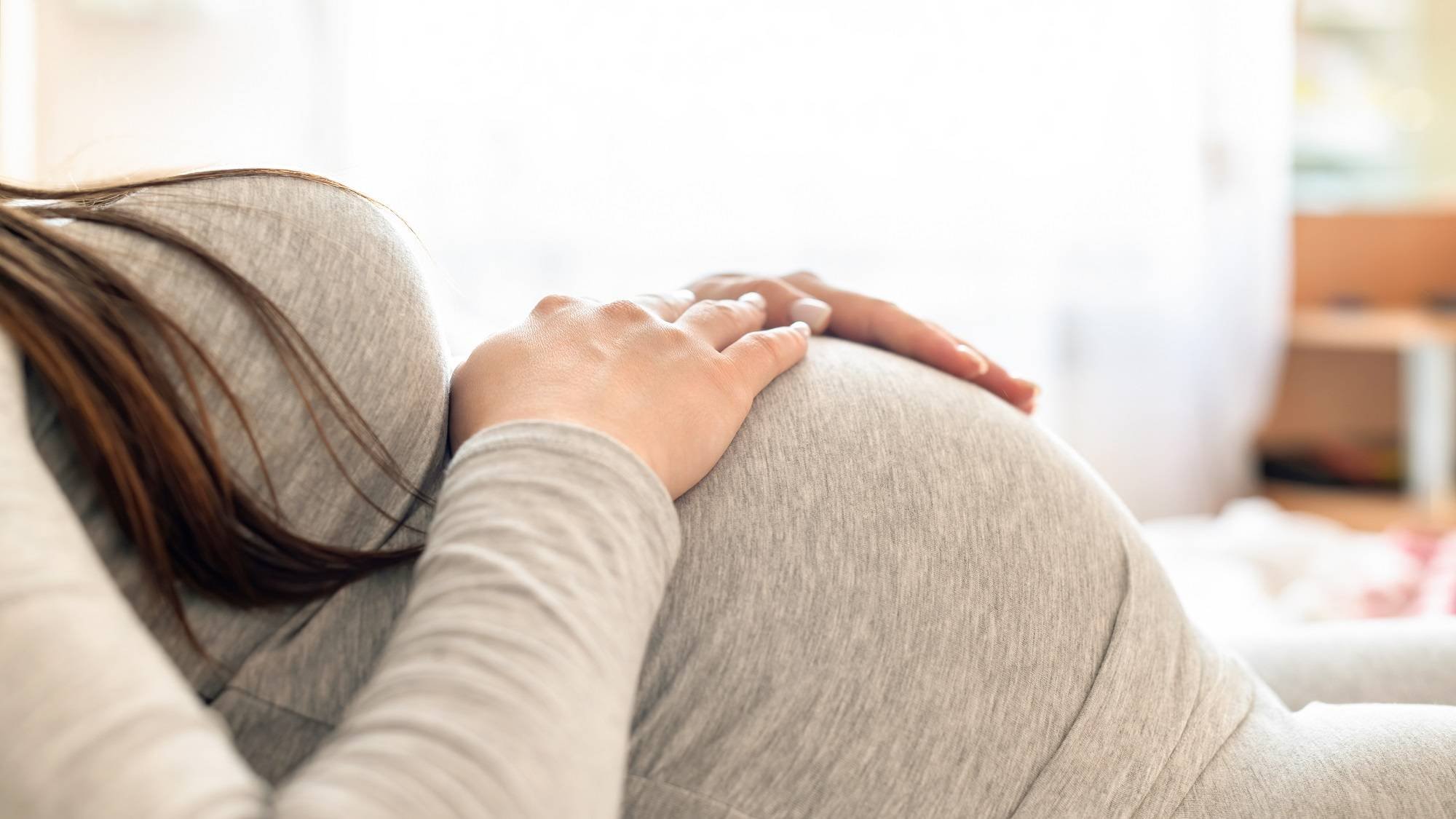
Nausea and vomiting are common during pregnancy, especially in the early stages. However, there is insufficient evidence to recommend osteopathy as an established treatment for these symptoms.
If nausea or vomiting affects your ability to eat, drink, or manage daily activities, speak with your healthcare provider. Severe symptoms may require medical assessment and treatment.
Is Osteopathy Appropriate Throughout Pregnancy?
The suitability of manual osteopathy depends on the individual. Pregnancy stage, medical history, current symptoms, and any complications should be considered before treatment.
Discuss your circumstances with your midwife or obstetrician and the practitioner providing hands-on care. Treatment should be adapted when necessary, and any technique that causes discomfort should be stopped.
Osteopathy should not be assumed to be suitable for every person or every stage of pregnancy. Your prenatal healthcare team can help you determine whether additional hands-on care is appropriate.
Can Osteopathy Make Labour Easier or Improve Baby's Position?
There is insufficient evidence to claim that osteopathy can ensure an easier labour, prevent birth complications, or reliably change a baby's position.
If you have concerns about your baby's position or your upcoming delivery, discuss them with your midwife or obstetrician. They can explain appropriate assessments and care options for your situation.
What About Recovery After Birth?
Physical changes continue after delivery. Some new mothers experience back or pelvic discomfort, neck and shoulder tension, or strain associated with feeding and carrying their baby.
Postpartum care should reflect each person's recovery, symptoms, and medical needs. If discomfort persists or interferes with daily activities, consult a qualified healthcare professional to determine the most appropriate next steps.
Frequently Asked Questions
Pregnancy-related discomfort can raise questions about which treatments may be appropriate, what results to expect, and when medical advice is needed. Here are some common questions about manual osteopathy during pregnancy.
Can manual osteopathy help with back pain during pregnancy?
It may help some people manage musculoskeletal discomfort, but results vary and the evidence remains limited. Severe, persistent, or unusual pain should be assessed by a healthcare professional.
Is osteopathy safe during pregnancy?
It cannot be assumed to be suitable for every pregnancy or every trimester. Your medical history, pregnancy stage, and current symptoms should be considered, and care should be adapted accordingly.
Can osteopathy reduce pregnancy-related swelling?
Osteopathy should not be presented as a proven treatment for pregnancy-related swelling. Sudden or significant swelling, especially when accompanied by headache, visual changes, or upper abdominal pain, needs prompt medical assessment.
Can osteopathy treat morning sickness?
There is insufficient evidence to recommend osteopathy as an established treatment for pregnancy-related nausea. Speak with your healthcare provider if symptoms are troublesome or affect your ability to stay hydrated.
When should I seek medical advice instead of booking a treatment?
Contact your midwife or obstetrician if you have severe or persistent pain, vaginal bleeding, fever, painful urination, or symptoms that concern you. Seek urgent medical care for emergency symptoms or if your prenatal healthcare team advises you to do so.
Pregnancy Care at GoldenCare Wellness
Every pregnancy is different, and care should reflect your individual needs rather than follow a one-size-fits-all approach. If you are considering hands-on care for pregnancy-related musculoskeletal discomfort, learn more about manual osteopathy at GoldenCare Wellness and discuss whether an appointment may be appropriate for you.
Educational Disclaimer:
The information shared in this article is for educational purposes and to help you better understand your body, health, and overall wellness. It is not intended to replace medical advice, diagnosis, or treatment. If you have persistent or concerning symptoms, please consult a qualified healthcare professional.