Why Am I So Sore After Exercise? Simple Ways to Recover and Keep Moving
You finish a workout feeling pretty good. Maybe it was your first gym session in weeks, a home workout, or a long walk you decided to turn into a challenge.
Then the next morning, everything feels different.
Walking downstairs is harder than expected. Sitting down takes a little more effort. Even reaching for something on a high shelf reminds you that muscles you rarely notice are suddenly asking for attention.
If this sounds familiar, you're not alone.
Feeling sore after exercise is something most active adults experience from time to time, especially after trying a new activity, increasing the intensity of a workout, or getting back into exercise after a break.
The good news is that soreness doesn't always mean you've done something wrong. In many cases, it's simply part of the way your body responds to a new physical challenge.
This article explains why post-workout soreness happens and what you can do to recover more comfortably. It also looks at when soreness may need more attention and why your overall movement patterns can be part of the bigger picture.
For people who continue to feel stiff or restricted after exercise, looking at the bigger picture of movement and recovery may offer useful insights. Approaches such as Manual Osteopathy are one way some people explore this connection.
Your Body Responds to New Challenges
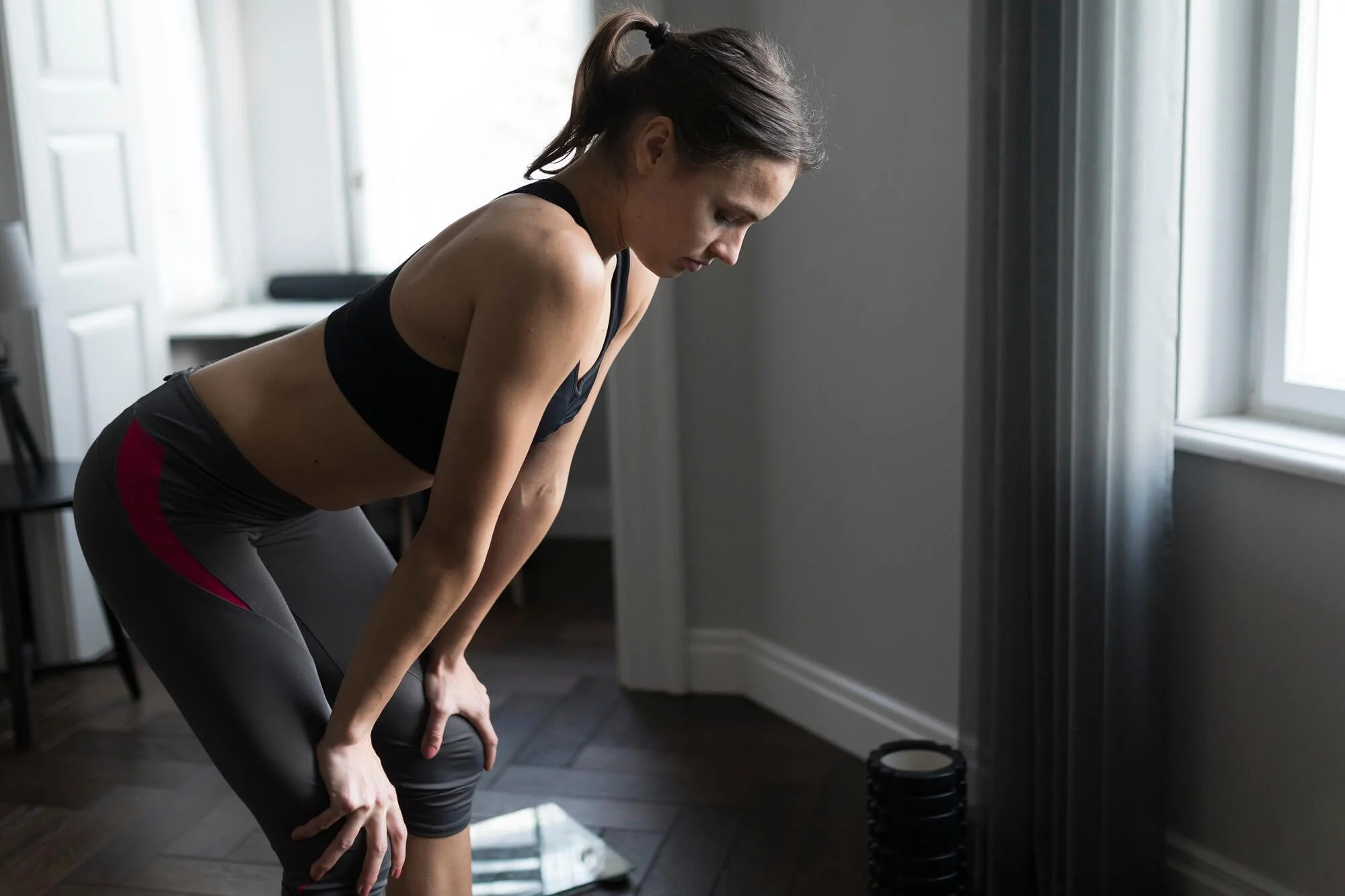
Your body is remarkably good at adapting.
The more regularly you do an activity, the more efficiently your muscles, joints, and nervous system learn to handle it. That's why a walk around the neighbourhood may feel effortless if you do it every day.
But the opposite can happen as well.
When you ask your body to do something new or more challenging than usual, it is normal to notice some soreness afterwards.
This often happens when you:
return to exercise after a break
try a new workout or sport
increase the weight, distance, or intensity of your usual routine
do a long or challenging session after several inactive days
use muscles in ways they haven't been challenged recently
If you've ever gone back to the gym after a holiday and wondered why a workout that once felt easy suddenly left you aching, you've experienced this natural adjustment process.
Your body isn't telling you that exercise is bad for you. It's simply adjusting to a new demand.
Not All Muscle Soreness Starts Immediately
One of the things that surprises people most is that soreness doesn't always appear straight away.
Instead, it often develops gradually over the next day or two.
This is commonly known as Delayed Onset Muscle Soreness (DOMS). It usually occurs after unfamiliar or more demanding exercise and is most noticeable within the first 24 to 72 hours.
Although researchers are still exploring the exact mechanisms behind DOMS, it is generally considered a normal response to increased physical demand rather than a sign that something has gone wrong.(+)
It's also worth remembering that soreness isn't a measure of success.
You can have an effective workout without feeling sore the next day, just as you can feel sore after doing something your body simply wasn't prepared for.
When Good Intentions Turn Into a Familiar Cycle
Most people don't train like professional athletes.
Exercise has to fit around work, family, and everything else life throws at us.
That often leads to a familiar pattern.
You stay active for a few days, get busy for a week, then decide to "make up for lost time" with one long or intense workout.
A day later, you're so sore that you avoid exercising again.
Then, once you finally feel better, the whole cycle starts over.
If that sounds familiar, you're certainly not the only one.
For many people, consistency matters far more than pushing through one demanding workout every now and then. Even shorter sessions performed regularly give your body more opportunity to adapt than occasional bursts of intense exercise.
What You Can Do to Recover More Comfortably
Feeling sore doesn't mean you have to stop moving altogether.
What you do after a workout can make recovery feel easier. In many cases, simple habits are enough to support your body as it adjusts and recovers.
Ease Back Into Exercise
One of the most common reasons people end up extremely sore is doing too much, too soon.
If you're returning after a break or starting a new activity, give yourself permission to build up gradually. A shorter or lighter session today often leads to more consistent progress than pushing yourself to the limit on day one.
Your body adapts best when the challenge increases little by little.
Keep Moving, Even if You're Stiff
It might feel tempting to stay on the couch until the soreness disappears.
But gentle movement often helps people feel better than complete rest.
A relaxed walk, light stretching, or easy mobility exercises can encourage circulation and reduce the feeling of stiffness without placing extra stress on already tired muscles.
The goal is not to push yourself through another workout. It is simply to help your body stay mobile while it recovers.
Give Recovery the Same Attention as Exercise
Recovery isn't something that starts after training. It's part of the training itself.
Good sleep, regular meals, and staying hydrated all support your body's recovery after physical activity.
Many people focus on the workout and overlook everything that happens afterwards, even though those recovery habits play an important role in how you feel the next day.
Increase Your Workload Gradually
It's normal to want quick results.
But increasing your running distance, lifting heavier weights, or adding extra workouts too quickly often leads to unnecessary soreness.
Small, steady increases usually allow your body to adapt more comfortably while reducing the chance of overloading muscles and joints.
Listen to Your Body Without Being Afraid of It
Some soreness is expected, especially after trying something new.
Sharp pain, swelling, or discomfort that keeps getting worse is different.
Learning to notice that difference can help you stay active with more confidence instead of stopping every time your body feels uncomfortable.
Do You Need to Feel Sore After Every Workout?
Many people still believe that soreness is proof of a "good" workout.
In reality, that's one of the biggest myths about exercise.
As your body becomes stronger and more familiar with a particular activity, you may notice far less soreness—even though you're still making progress.
A well-planned exercise routine challenges your body without leaving you exhausted every time.
Progress comes from consistency, not from how sore you feel the next morning.
When Is It More Than Ordinary Post-Exercise Soreness?
Most post-workout soreness is uncomfortable, but it usually follows a predictable pattern.
Your muscles may feel tired, tight, or tender after a challenging workout. Over the next few days, the discomfort should gradually become easier as your body recovers.
But not all pain after exercise is the same.
It is a good idea to pay closer attention when the discomfort feels different from the soreness you normally experience after exercise.
For example, take note if your pain is:
sharp, intense, or sudden
getting worse instead of improving
accompanied by significant swelling or bruising
making it difficult to use or move the area normally
continuing without any signs of gradual improvement
Pain that starts during a specific movement, such as a sudden pull, twist, or awkward lift, may be a different experience from the general muscle soreness that appears after exercise.
If you are unsure whether what you are experiencing is normal soreness or something that needs more attention, getting appropriate guidance can help you make a better decision than simply trying to push through it.
After extremely intense exercise, symptoms such as unusually dark urine should always be taken seriously and require prompt medical attention.
For more information about recognizing common exercise-related problems, you can also read about common sports injuries and how Manual Osteopathy may support recovery.
Your Workout Is Only Part of the Picture
When we think about exercise, we often focus only on the time spent working out.
But your body experiences much more than those 30 or 60 minutes of training.
Maybe you spend most of your day sitting at a desk. Maybe you drive for long periods, work in one position, or move very little between workouts.
Then suddenly, you ask your body to run, lift, stretch, or perform movements it hasn't done recently.
Your daily habits do not automatically cause soreness, but they can influence how your body feels when you become more active.
Previous injuries, areas of stiffness, and the way you move during everyday activities can also be part of the bigger picture.
That is why recurring tightness or discomfort after exercise is not always only about the workout itself. Sometimes understanding your overall movement patterns can provide useful clues about what your body may need.
How Manual Osteopathy May Support More Comfortable Movement
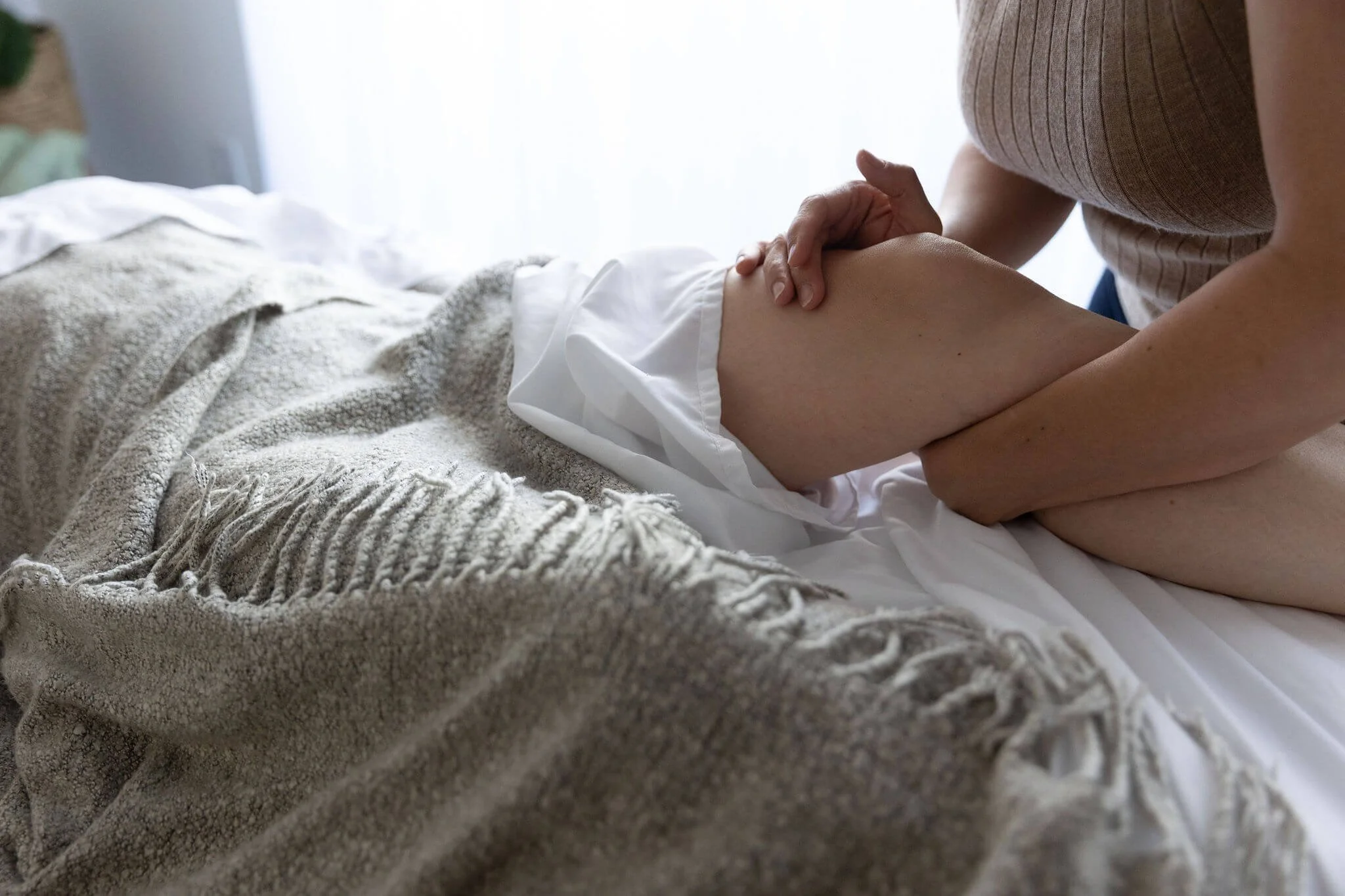
Exercise, recovery, and listening to your body all play an important role in staying active.
For some people, however, stiffness, muscle tension, or limited movement continues even when they are trying to exercise regularly and take care of their recovery.
In these situations, exploring an individualized hands-on approach such as Manual Osteopathy may become part of the conversation.
At GoldenCare Wellness, each session begins with an assessment of your individual situation. Instead of focusing only on the area where you feel discomfort, the approach considers factors such as your daily activities, movement habits, previous injuries, and areas of tension.
The goal is to better understand how your body moves and what may be contributing to the way you feel during exercise or everyday activities.
If you'd like to learn more, our guide to Manual Osteopathy explains what it is and how it works.
You can also explore some of the common reasons people seek Manual Osteopathy as part of their wellness routine.
You Do Not Have to Wait Until You Are Injured
Taking care of your body is not only something to think about after an injury.
You do not need to be a professional athlete to want to move more comfortably.
Maybe you enjoy home workouts. Maybe you go to the gym when your schedule allows. Maybe you are simply trying to become more active after years of doing less than you would like.
Wherever you are starting from, paying attention to how your body responds can help you build a more sustainable routine.
Occasional soreness that improves over time is often just part of adapting to a new challenge.
But if you regularly feel stiff, restricted, or uncomfortable after exercise, it may be worth looking more closely at what your body is telling you.
Frequently Asked Questions
Still wondering what your soreness means? These are some of the most common questions people ask after a workout.
Why am I so sore after exercise?
Feeling sore after exercise usually means your body is adapting to a new challenge.
This can happen when you return to exercise after a break, try a new type of workout, increase the intensity, or use your muscles in ways they are not used to.
Soreness does not necessarily mean you had a better workout. It simply means your body has been exposed to a level of activity it needs time to adapt to.
Is it normal to be sore after every workout?
No. You can make progress without feeling sore after every session.
As your body becomes more familiar with an activity, the same workout may feel easier and cause less soreness. This does not mean you are no longer making progress. You can still become stronger and improve your fitness.
If soreness regularly feels intense, affects your daily activities, or prevents you from staying consistent, it may be a sign that your routine needs some adjustment.
Should I exercise when my muscles are sore?
It depends on how your body feels and what type of exercise you are planning.
If you have mild soreness, gentle movement such as walking, stretching, or light mobility work may feel comfortable and help you stay active.
However, repeating a hard workout that targets the same sore muscles may not give your body enough time to recover.
If the pain is sharp, sudden, or feels different from normal muscle soreness, it is better to treat it differently rather than trying to push through.
How long does post-exercise soreness last?
For many people, soreness after an unfamiliar or challenging workout improves gradually over the following few days.
The timeline can vary depending on the activity, your fitness level, and how much your body has adapted to that type of movement.
The important thing is the direction it is moving. Soreness that slowly improves is different from discomfort that continues to increase or changes the way you move.
Can Manual Osteopathy help if I feel stiff after exercise?
Some people explore Manual Osteopathy when ongoing stiffness, muscle tension, or changes in movement begin to affect exercise or everyday activities.
At GoldenCare Wellness, an individualized assessment looks at your overall movement patterns, daily activities, previous injuries, and areas where you feel tension, discomfort, or changes in movement.
Whether Manual Osteopathy is suitable depends on your personal situation and what is contributing to your discomfort.
Ready to Get Back to Moving Comfortably?
You do not have to wait until discomfort becomes a bigger problem before paying attention to your body.
Whether you are returning to exercise, building a new routine, or simply trying to move more comfortably in everyday life, understanding how your body responds can help you make better choices.
If exercise regularly leaves you feeling stiff, restricted, or unsure about how to move forward, an individualized Manual Osteopathy session at GoldenCare Wellness in Vancouver can help you explore what may be contributing to the way your body feels and moves.
Book a Manual Osteopathy session in Vancouver and take the next step toward moving more comfortably after the activities you enjoy.
Educational Disclaimer:
The information shared in this article is for educational purposes and to help you better understand your body, health, and overall wellness. It is not intended to replace medical advice, diagnosis, or treatment. If you have persistent or concerning symptoms, please consult a qualified healthcare professional.