The Hidden Physical Toll of Modern Life: An Osteopathy Guide
You wake up already a little tired. Your shoulders feel tight before the workday has even started. By mid-afternoon your jaw aches from clenching without noticing, and by evening your neck feels stiff no matter how you sit. You're left wondering why your body always feels “on.”
Most people don't notice the moment this pattern started. There's no single event, no dramatic injury, just a slow accumulation of habits that quietly reshape posture, breathing, circulation, and muscle tone over months and years. A slightly forward head here, a tightened jaw there, shoulders that never quite drop. By the time it's uncomfortable enough to mention out loud, it's usually been building for a long time.
At GoldenCare Wellness in Vancouver, this pattern comes up constantly. People come in describing a dozen small, seemingly unrelated complaints, tight shoulders, restless sleep, a stiff lower back, tension headaches, without realizing how closely connected they often are. Manual osteopathy looks at the body as one interconnected system, which is part of why it shows up in so many everyday situations, from posture-related discomfort to digestive sluggishness to stress-related tension.
This article walks through eight of the most common ways modern living affects the body, and where manual osteopathy may realistically fit into supporting it.
Common Physical Effects of Modern Lifestyle on the Body
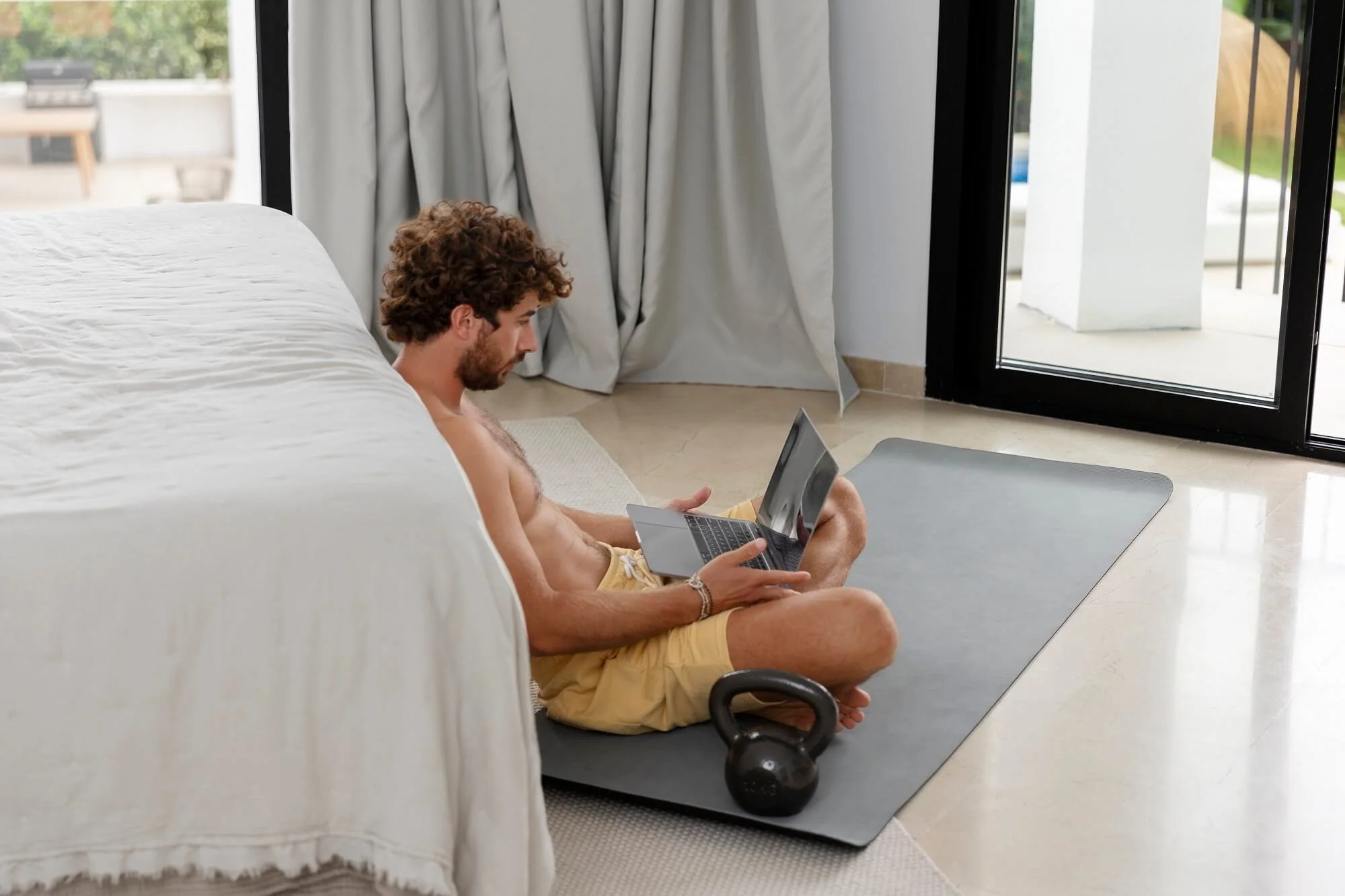
None of these show up overnight. They build gradually, often reinforcing each other, which is exactly why they can be so easy to dismiss until they've become part of daily life.
1. Prolonged Sitting and an Under-Moved Body
The average workday now involves sitting at a desk, sitting in traffic or transit, and sitting again in the evening in front of a screen. Hip flexors shorten, the lower back stiffens, and the muscles that are supposed to stabilize the spine simply stop being asked to do their job.
Sitting also affects more than the spine. Reduced movement slows the natural rhythm of the digestive system, which is part of why so many people dealing with sluggish digestion find that addressing constipation involves looking at the whole body, not just diet. It's a good reminder that “sitting too much” is rarely just a back problem.
2. Tech Neck: How Screen Time Reshapes Your Posture
Every device we look at pulls the head slightly forward and down. On its own, one glance at a phone means nothing. Repeated thousands of times a day, for years, it becomes a posture the body starts to consider normal.
This is one of the most common patterns practitioners see, and it's exactly why we've written separately about desk work and neck tension and about forward head posture. In some cases, this same forward-shoulder posture can also crowd the space near the collarbone, which is part of the picture with thoracic outlet syndrome.
3. Where Stress Hides: Tight Shoulders, Neck, and a Clenched Jaw
Stress doesn't stay in the mind. It shows up physically, shoulders creeping toward the ears, jaws clenching without noticing, necks that never fully soften even at rest. Over time, that low-grade bracing becomes the body's default setting rather than a temporary reaction.
This connection between emotional load and physical tension is worth understanding on its own, which is why we've looked more closely at stress and stress management and at the physical side of anxiety.
4. Restless Sleep and an Overstimulated Nervous System
Late-night screens, inconsistent schedules, and a nervous system that rarely gets a real chance to downshift all interfere with the kind of deep, restorative sleep the body relies on to recover. Poor sleep and physical tension tend to feed each other, tight muscles make it harder to fall into deep rest, and poor rest leaves muscles with less chance to recover.
Some people notice this connection most clearly through recurring tension headaches, a pattern worth reading more about in our piece on migraines and headaches. Others find that a gentler approach like craniosacral therapy is a more comfortable starting point than deeper manual work.
5. Sluggish Circulation: Sitting, Commuting, and Heavy Legs
Long commutes, long flights, and long hours at a desk all have one thing in common: very little movement of the legs. Since circulation in the lower body depends heavily on muscle contraction to move blood and fluid back toward the heart, hours of stillness can leave legs feeling heavy, puffy, or tired by the end of the day.
This is an area where a combination of approaches often helps, from lymphatic drainage therapy to simpler daily tools. Several of our clients ask us about compression socks and how they fit into managing this kind of daily fatigue.
6. Repetitive Movement and Muscle Imbalance
Modern life isn't just sedentary, it's also repetitive. Typing, scrolling, carrying a bag on the same shoulder, sitting with the same leg crossed. These small, repeated patterns train certain muscles to overwork while others go underused, gradually creating imbalances that weren't there before.
It's a slightly different mechanism from the soreness that follows a hard workout, something we've written about separately when it comes to post-exercise soreness. Still, the underlying idea is similar: the body adapts to whatever pattern it repeats most often, for better or worse.
7. Shallow Breathing: A Quiet Modern-Day Habit
This one rarely gets mentioned, but it's remarkably common. Hours spent hunched forward, combined with low-grade stress, tend to shift breathing higher into the chest instead of down into the belly. Most people don't even notice they're doing it, until a yoga class, a meditation app, or a quiet moment finally draws their attention to it.
Shallow, chest-based breathing limits how much the diaphragm, rib cage, and thoracic spine actually move throughout the day. When the diaphragm barely engages and the ribs stay relatively still, the surrounding muscles of the neck and shoulders often pick up the slack, staying tight even without any obvious cause. It's a small shift with a surprisingly wide reach, touching everything from muscle tension to how settled the nervous system feels.
8. Screen Fatigue: Eye Strain and a Clenched Jaw
Beyond posture, screens bring a more specific kind of tension. Staring at a fixed point for hours encourages a subtle, sustained clench through the jaw and temples, often without any awareness it's happening. Combined with dry, strained eyes, this can contribute to a tightness around the face and jaw that people often assume is unrelated to their screen habits.
This is closely tied to posture as well. Jaw tension, or TMJ-related tension, rarely stays isolated. It often travels, showing up as headaches, neck discomfort, a feeling of fullness or discomfort in the ears, general facial tension, or teeth clenching at night. The connection between jaw pain, headaches, and posture is closer than most people expect, which is why it's rarely useful to look at the jaw on its own.
So, Can Manual Osteopathy Actually Help With This?
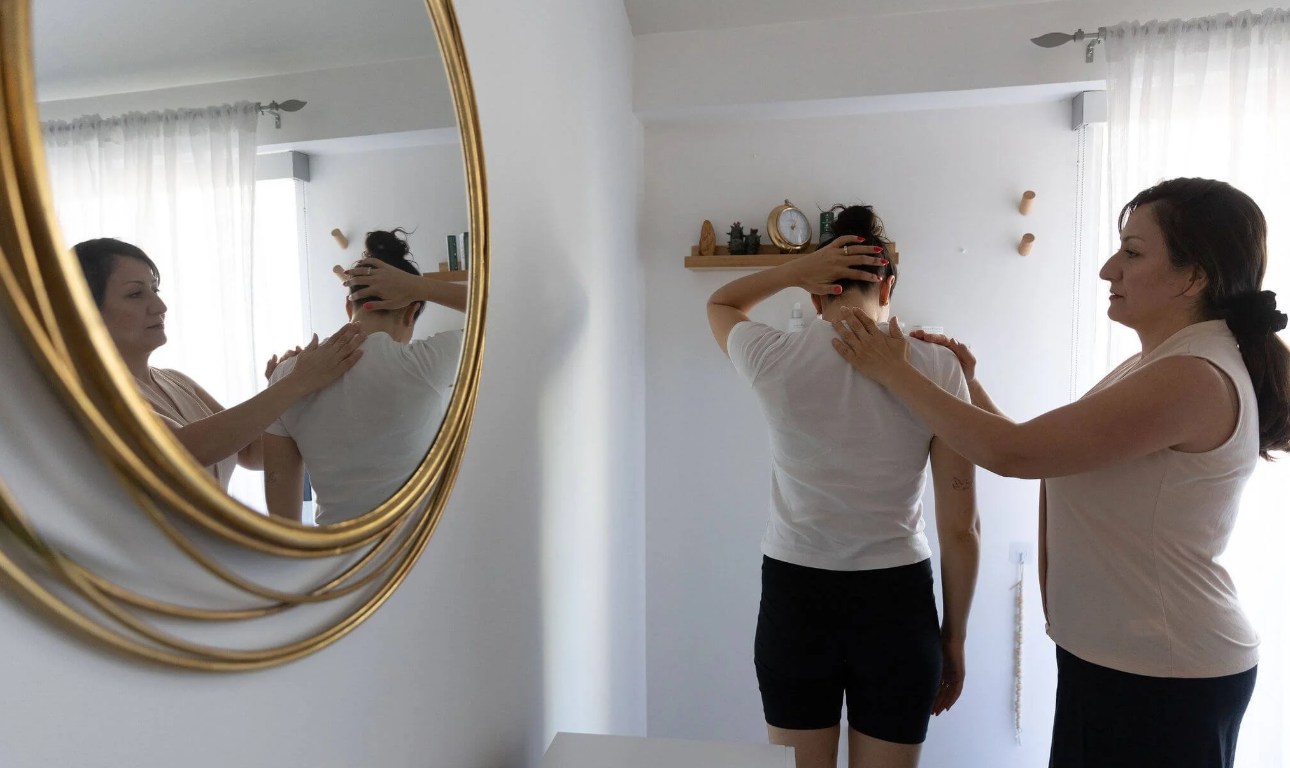
To be clear from the start, manual osteopathy isn't a cure, and Osteopathic Manual Practitioners (OMPs) in Canada aren't physicians. They don't diagnose medical conditions or prescribe medication. What they're trained to do is assess how the body is moving, holding tension, and compensating, then use hands-on techniques to encourage better mobility, circulation, and balance throughout the connected systems of the body.
For many of the patterns above, that approach can be genuinely useful. If manual osteopathy is new to you, it's essentially a non-aggressive, drug-free, hands-on therapy that treats the body as a whole rather than isolating one joint or muscle. Treatment may include gentle joint mobilization, myofascial release, cranial techniques, visceral mobilization when appropriate, and soft tissue work aimed at improving overall movement and reducing accumulated tension, the same patterns described throughout this article.
This whole-body view is really the point. Jaw tension rarely stays in the jaw, for example, so an assessment often looks beyond it to the cervical spine, the cranial bones, the diaphragm, the rib cage, and overall posture, since tension in one area frequently influences another. It's less about treating a single symptom and more about understanding how everything connects.
It's also worth being honest about the limits. Osteopathy isn't the right first step for everything. If you're experiencing sharp or worsening pain, numbness or tingling that doesn't resolve, unexplained weight changes, chest pain, or any symptom that feels serious or sudden, that's a conversation for a physician first, not a manual practitioner. Osteopathic care tends to work best for the slow-building, lifestyle-driven tension described here, alongside, not instead of, appropriate medical care when it's needed.
Small Daily Habits That Support a Body Under Modern Pressure
None of these replace hands-on care, but they tend to make a real difference alongside it.
● Move every 30 to 45 minutes, even if it's just standing up and stretching for a minute.
● Bring screens to eye level instead of tilting your neck down toward them.
● Check in on your breathing a few times a day. Is it reaching your belly, or stuck high in your chest?
● Unclench your jaw consciously when you notice tension building, especially during focused screen work.
● Walk during calls or take the stairs when you can, to keep circulation moving through the legs.
● Protect a wind-down routine before bed, away from screens, to give your nervous system a real chance to settle.
Frequently Asked Questions
If you're considering booking a session, you probably have a few practical questions before taking that first step. Here are the ones we hear most often at GoldenCare Wellness.
What happens during a first visit to GoldenCare Wellness?
Your first appointment usually starts with a conversation about what's been going on, followed by a physical assessment of posture, joint mobility, and areas of tension. From there, your practitioner may begin gentle hands-on work. If you'd like a full walkthrough before booking, take a look at what to expect at a first osteopathy appointment.
Do I need a doctor's referral to book a session?
No referral is required to book a manual osteopathy session at GoldenCare Wellness. That said, if you have an undiagnosed or serious symptom, checking in with a physician first is always a good idea.
Will I need medication or supplements alongside treatment?
No. Manual osteopathy is a hands-on, drug-free approach. It doesn't involve prescriptions, and it isn't meant to replace any medication your doctor has prescribed.
How many sessions does it usually take to feel a difference?
This depends entirely on the person and how long the tension has been building. Some people notice a difference after one or two sessions, while longer-standing patterns tend to respond better to a short series of visits combined with the daily habits mentioned above.
Is this approach suitable for someone with a desk job who isn't in pain, just generally tense?
Yes. Many people book sessions not because of acute pain, but because they want support managing the everyday tension that builds from long hours at a screen. It's often easier to address these patterns before they turn into something more persistent.
Ready to Give Your Body Some Attention?
Your body adapts to everything you ask of it. Long hours at a desk, stress, commuting, and endless screen time all leave their mark. The good news is that the body is also remarkably capable of adapting in the other direction when given the opportunity. If you're ready to move with less tension and feel more comfortable in your body, we'd be happy to help.
Educational Disclaimer:
The information shared in this article is for educational purposes and to help you better understand your body, health, and overall wellness. It is not intended to replace medical advice, diagnosis, or treatment. If you have persistent or concerning symptoms, please consult a qualified healthcare professional.